Before MiMo-V2.6 arrived, I had already spent real time with MiMo-V2.5. The usage chart from my account records 4,448 requests across MiMo-V2.5 and MiMo-V2.5-Pro, clustered between September 8 and 14. When Xiaomi announced V2.6 on September 21, I did not see a quota reset or launch credit in my account.
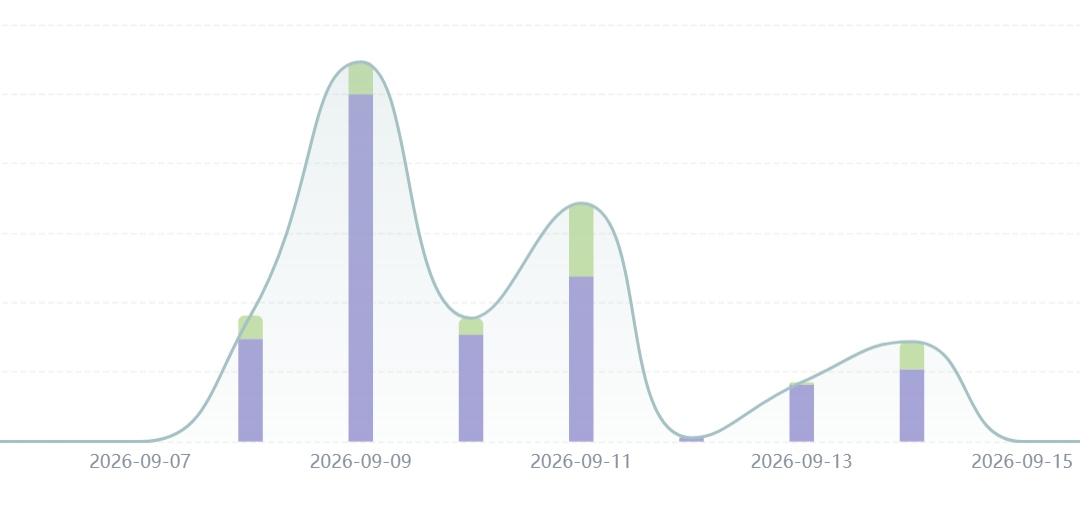
View the full dashboard screenshot, including its total and model legend
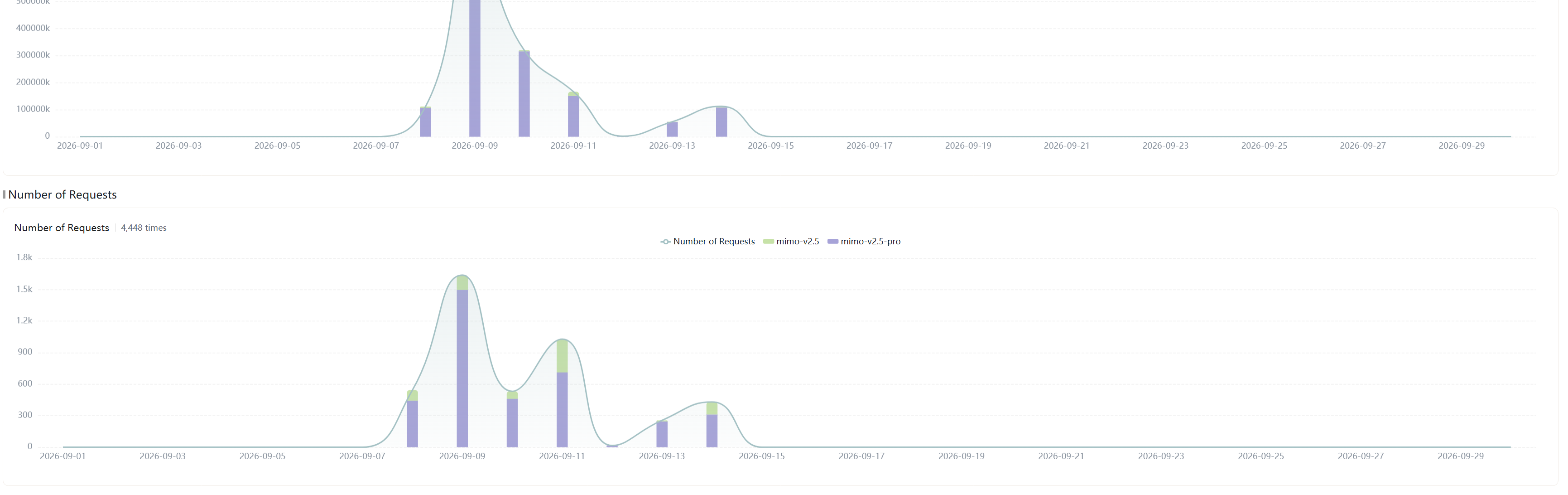
That is my experience, not a statement about every MiMo user. The screenshot records requests; it does not show a universal reset policy or prove what happened in anyone else’s account. Still, the launch left me thinking about a question from Shirish’s post on X: who is the recognizable person behind each AI lab, the one users can find when a release lands or something goes wrong?
The missing part of my launch experience
I asked Xiaomi’s account directly under its V2.6 launch announcement. When I checked on September 24, my reply showed zero replies.
I was not owed a free refresh because I had used V2.5. A provider can decide whether launch credits make sense for its plans and costs. What I wanted was a visible answer: whether existing users would get anything for the release, and where to look for account-level information. My account received no reset, and my public question had no reply in that thread when I checked.
The difference matters. A quota reset is practical: it gives people room to try the new model. It is also communication. A clear yes, no, or explanation tells users that the team has heard the question and made a deliberate choice.
What people mean by “a Tibo”
In the discussion under Shirish’s post, users pointed to Tibo as a familiar public voice for OpenAI’s Codex work. Some replies tied his visibility to product updates and resets. Every lab can have its own voice. The useful part is accountability: users know who will explain changes, acknowledge problems and close the feedback loop.
On September 11, Tibo posted a Codex quality update. He described several fixes, credited examples from users who had worked with the team, and announced a reset for that night. The post connected feedback, product work and a concrete action in one place. Users could see what had happened and what was coming next.
That is what I mean by a “Tibo”: a recognizable person who can make a product team’s decisions legible while the conversation is still happening. It does not require a meme account or a promise of free usage. It does require someone to show up consistently enough that users know where to bring the next question.
MiMo did show its technical work
Xiaomi’s V2.6 launch had substantial technical communication. Its official announcement described the Pro and Flash models, open weights, a technical report, reinforcement-learning environments and training code. The release notes also lay out the team’s training and benchmark claims.
That is valuable transparency about how the model was built. My gap was on the user side: I could read about the training run, but I could not find an equally clear answer to what a returning V2.5 user should expect from the account experience around launch.
For the technical launch itself, see my separate MiMo-V2.6 release overview. This field note is about the relationship around the release: quota expectations, support and the person users recognize when they want an answer.
A simple way to close the loop
MiMo can set its own quota policy. It could give users a named product contact, keep a clear channel for usage questions, and post a short launch note that says whether existing accounts will receive a reset or credit. If the answer is no, saying so plainly is still useful.
For users who helped exercise V2.5, a small launch refresh would be a welcome gesture. A reply explaining why there is no refresh would also be better than silence. Either choice lets people plan their next test and understand what kind of relationship the product team wants to build.
The model gives people a reason to try the release. A visible team gives them a reason to believe the feedback will reach someone. MiMo-V2.6 arrived with open weights and a serious technical story; from my seat, the human conversation around the launch still needs work.
What I verified
The attached account chart reports 4,448 requests for MiMo-V2.5 and MiMo-V2.5-Pro, with activity concentrated from September 8 to 14. Xiaomi’s public launch announcement is dated September 21. My reply asking for resets showed zero replies when I checked on September 24. Tibo’s September 11 post includes both a Codex quality update and a reset announcement.
The reset experience is my account-level report. The chart does not establish Xiaomi’s policy for all users, and I did not inspect other MiMo accounts or provider-side quota records. The article’s claim is limited to what I saw and what was visible in the cited X threads.